Modern Living
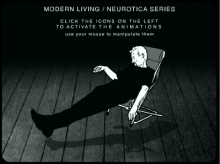
Series of flash animations by Han Hoogerbrugge.
Being Human
"Being human is about communication with the other. This other person that one doesn't know at all, but that should resemble you somewhere and so, will need some reassuring every now and than too.
Net-art generator
Nowadays, work is placed on a level with duty, compulsion, obedience, conformity, monotony and exploitation, but scarcely with a 'practice of creative enjoyment' of (Negri/Hardt).
Bindigirl
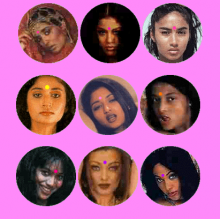
In Bindigirl (1999), Prema Murthy represents herself as an Indian pinup girl in a critique of the Internet pornography industry and the Orientalism found in Asian pornography.
this that now
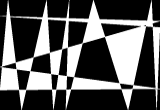
The works of Rafaël Rozendaal are bold, clever art websites, which he sells to collectors as discrete URLs with the stipulation that they must remain public—the collector's name appears in the brow
Superbad
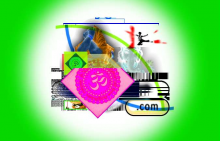
The net.art output of a San Francisco based graphic designer using DHTML.
What to do good? Know to shoot a semiautomatic handgun?

A flash animimation by Y0UNG-HAE CHANG HEAVY INDUSTRIES.
LOVE
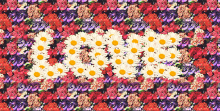
And that everything one day, an hour, one letter, or one word will be over and just cannot ever be over. A net-art piece by Group Z(Belgium).
Riot
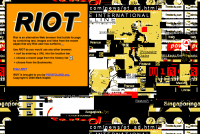
Mark Napier’s Riot is an alternative, "cross-content" Web browser.
Illegal art
For some years now, it has become common among digital artists to focus on illegal art practices.
Jodi
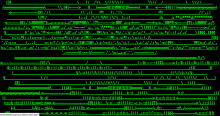
Jodi pioneered Web art in the mid-1990s. Jodi were among the first artists to investigate and subvert conventions of the Internet, computer programs and video and computer games.
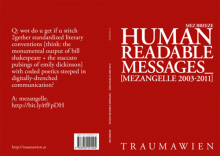
Human Readable Messages Mezangelle
Man With a Movie Camera
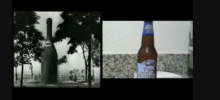
Man With a Movie Camera: The Global Remake is a participatory video shot by people around the world who are invited to record images interpreting the original script of Vertov's Man With A Movie Ca
The Folksomy project
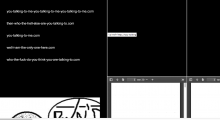
JODI's ongoing performance project, The Folksomy Project, takes YouTube as source material, with the artists utilizing custom software to select and manipulate user-generated videos from the popula
Digital Landfill

Artcontext
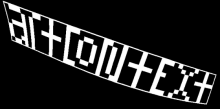
Artcontext features a variety of collaborative net artworks, experiments in network creativity that rely on participative visiting artists.
Play-lets
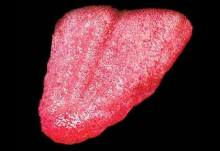
Play-lets is a project for the web by Conor McGarrigle which explores the structure and nature of memory.
Déclin Séquence
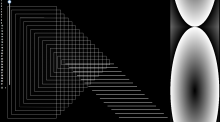
Version based composition developed each day of October 2020. The page is made of 31 <time> elements, that gets individually styled day after day.
Windows 93
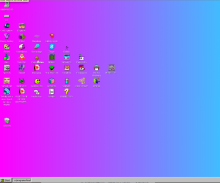
Windows 93: a playfully surreal online simulator of a computer operating system that is aesthetically similar to Windows 95.
No man's land
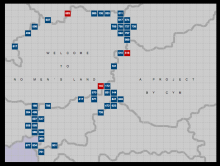
In her project 'No Men's Land' cym tries to capture something of the rapid changes that are happening to the borders in Central Europe.
it's doing it / it did it

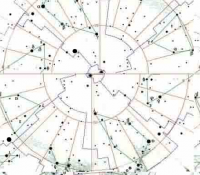
It’s doing it is an online group exhibition of computer generated images that autonomously updates on a daily basis over the course of 45 days.
Museum of Rumour
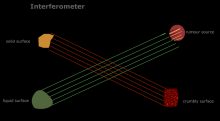
The Museum of Rumour presents ongoing 'pataphysical research into the study of rumour.
Body Anxiety
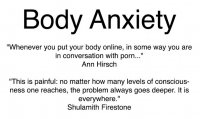
Body Anxiety shares the varied perspectives of artists who examine gendered embodiment, performance and self-representation on the internet.
Avatar Body
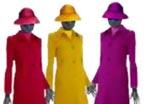
The Colliders: four women who met online in 2001 and formed the globally distributed cyberformance troupe Avatar Body Collision in April 2002.